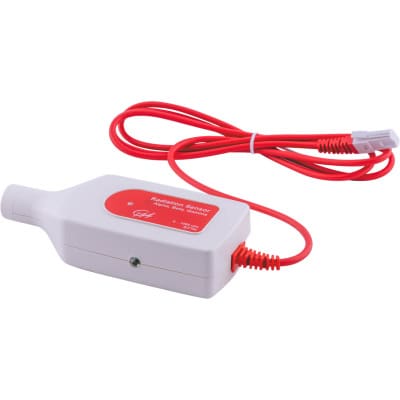
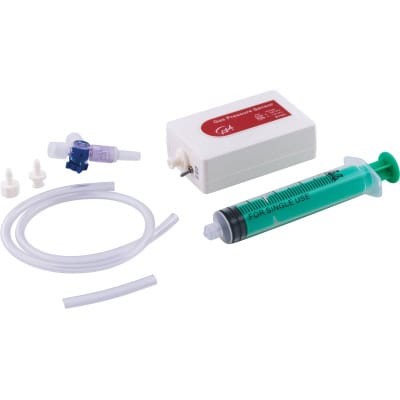
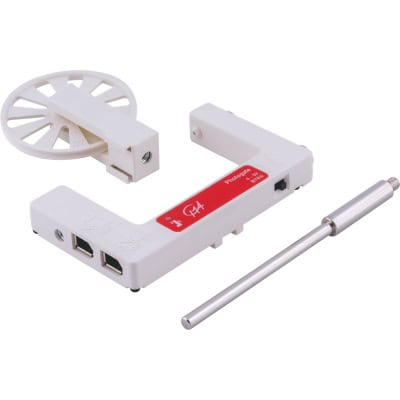
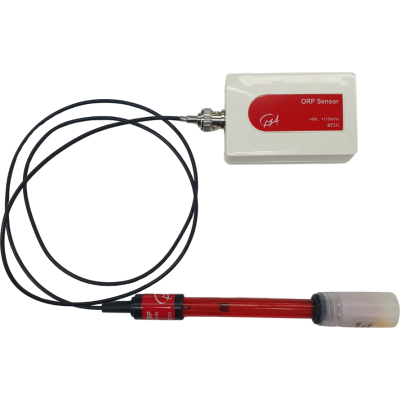
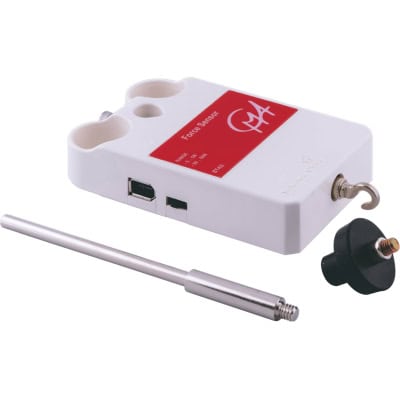
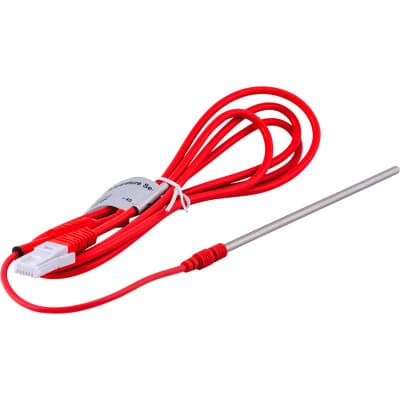
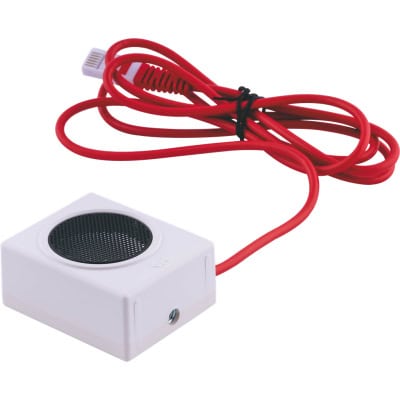
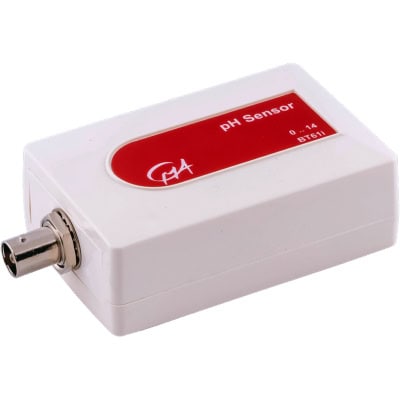
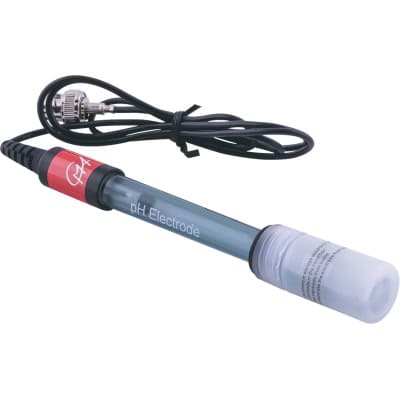
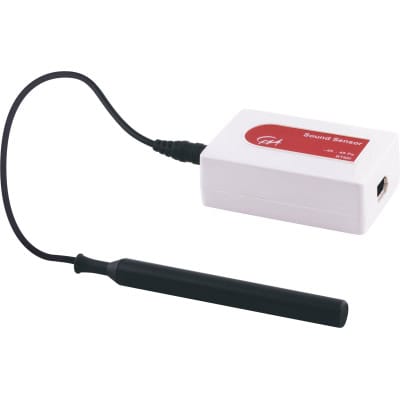
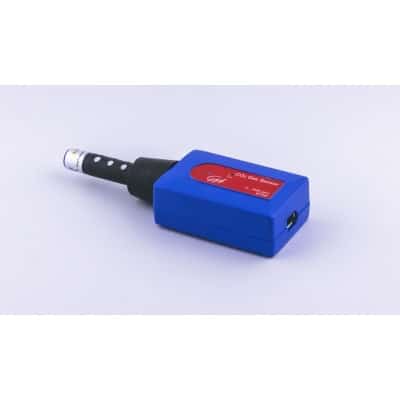
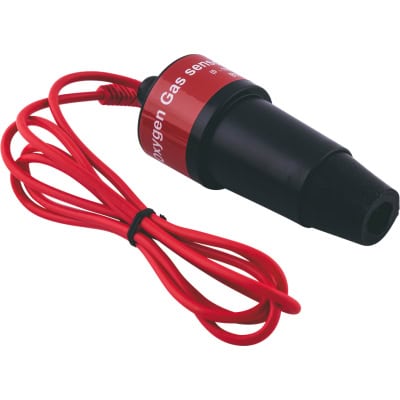
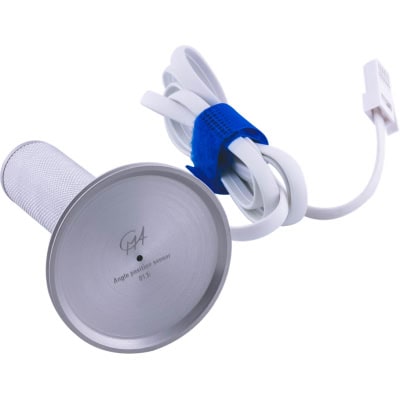
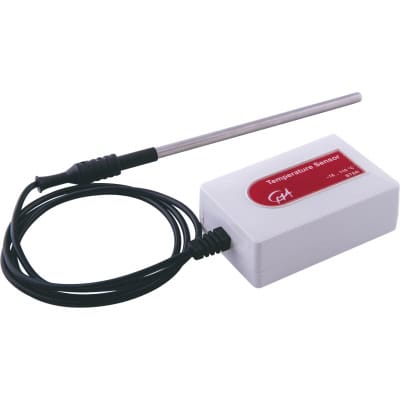
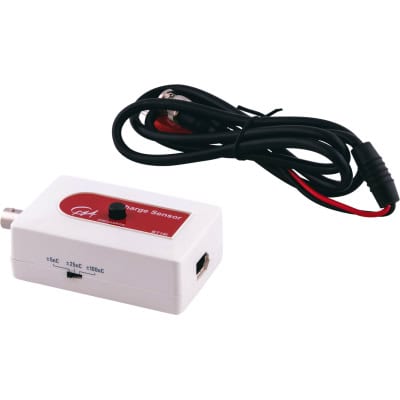
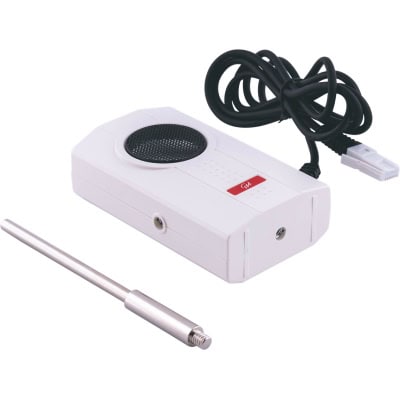
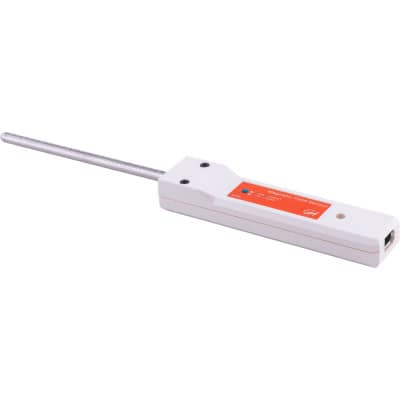
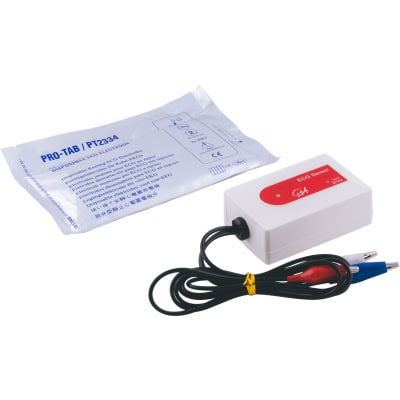
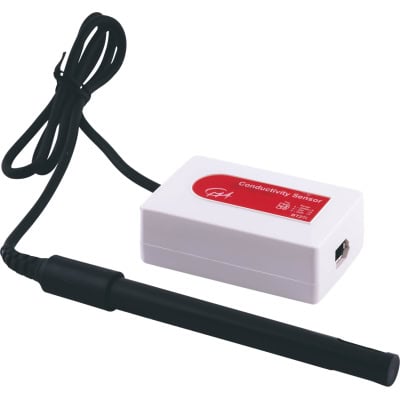
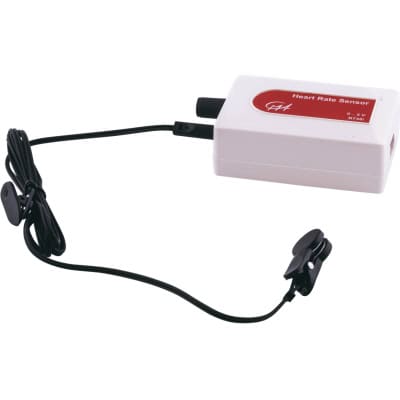
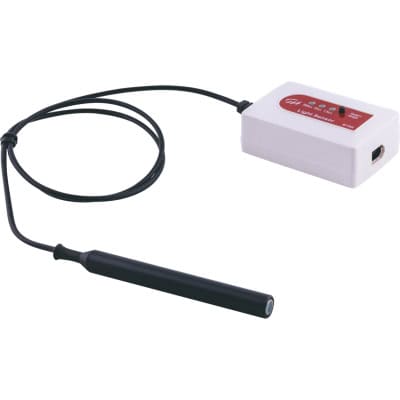
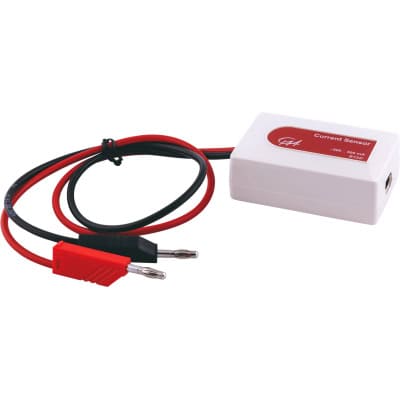
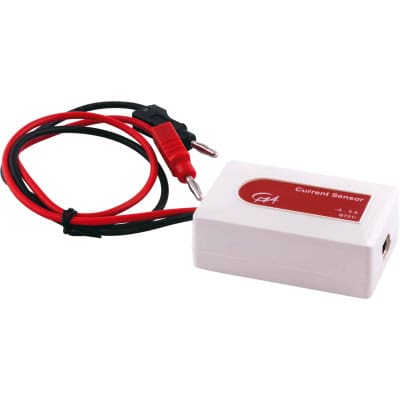
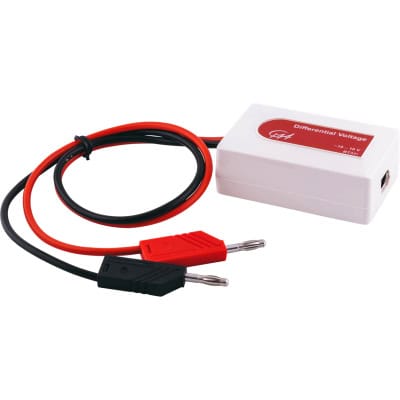
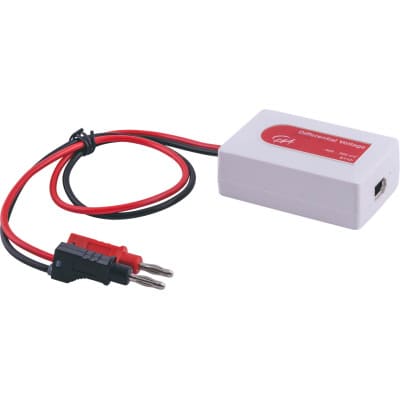
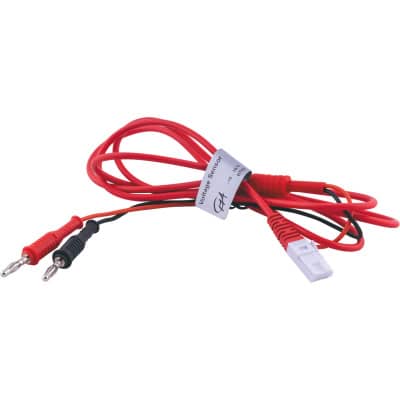
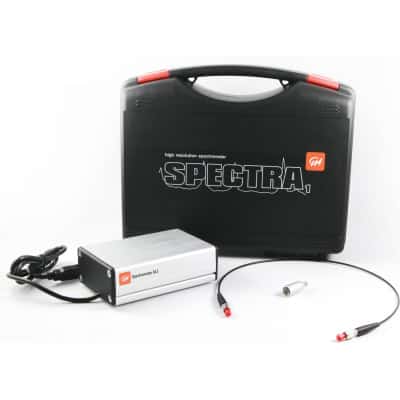
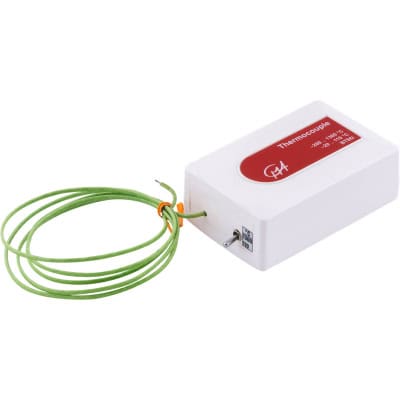
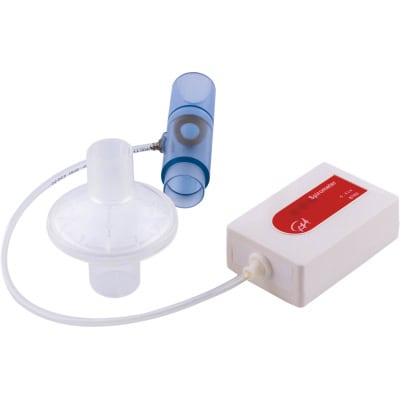
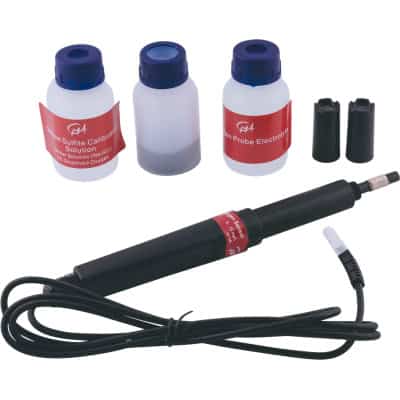
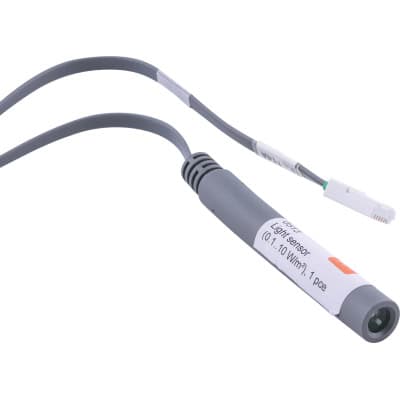
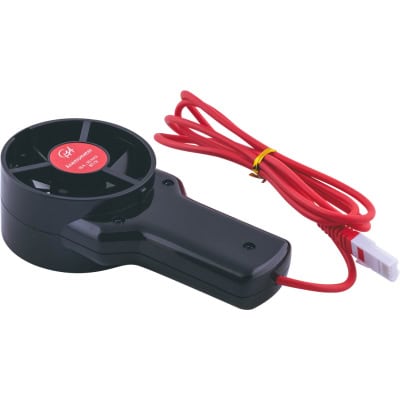
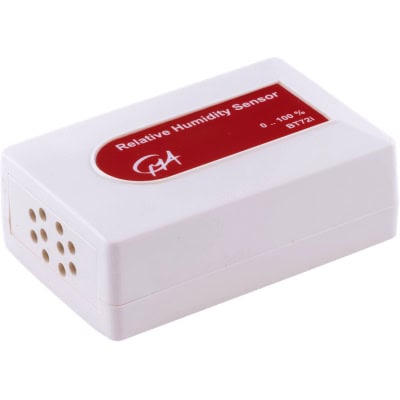
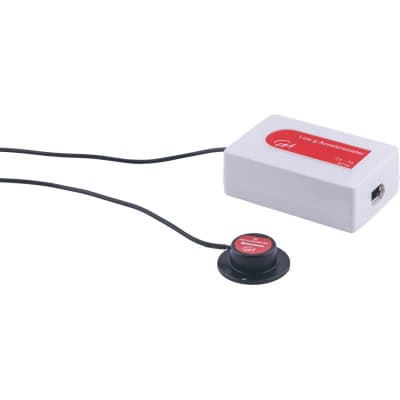
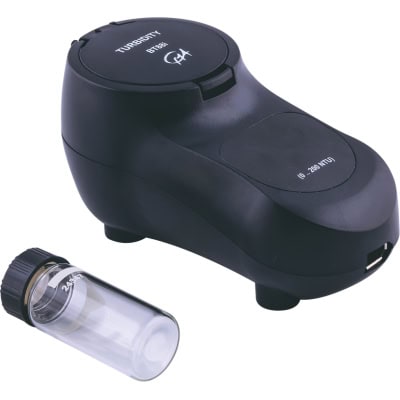
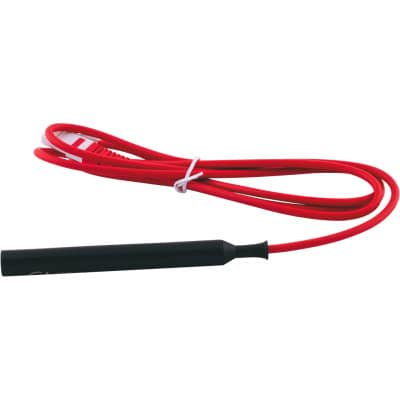
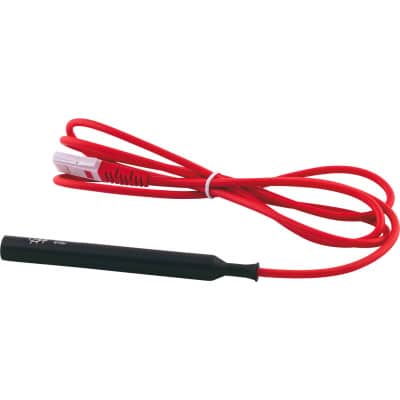
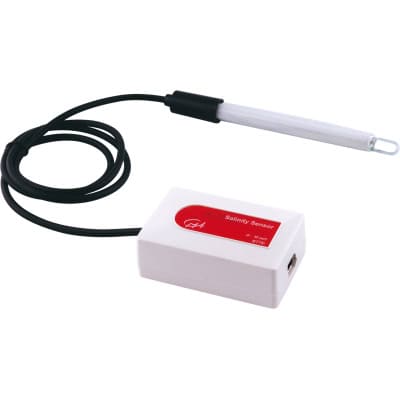
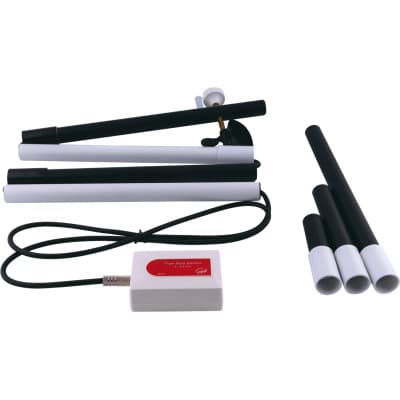
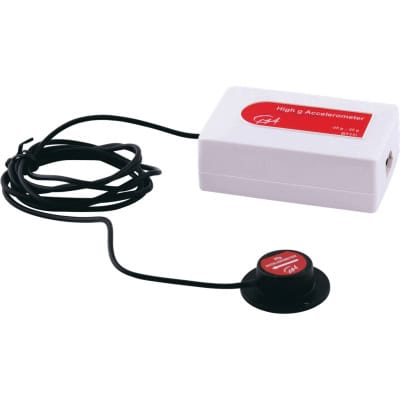
The CMA Science wired sensors last for years, are budget-friendly, and developed in the Netherlands. There is a wide selection of sensors available.
Depending on the interface you use, you can achieve measurement frequencies of up to 1 MHz with these sensors.
Wired sensors may not seem as modern as wireless sensors, but they are always fast, accurate, inexpensive, and never need to be charged. An interface is required for BT sensors.
Sensors for every subject
We have almost 50 different sensors for every discipline.
In physics, you can think of sound, distance, voltage, and current.
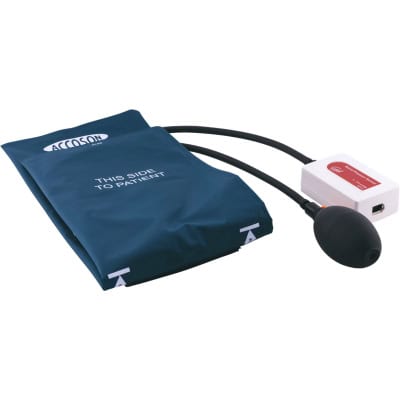
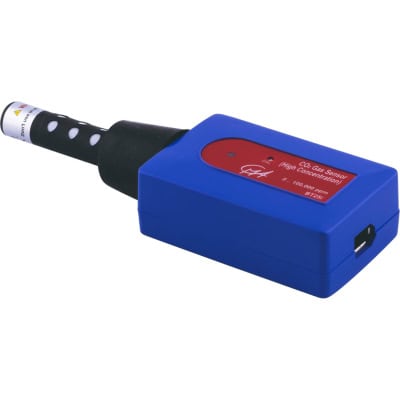
In biology, you can measure, for example, O2 and CO2 concentrations, heart rate, ECG, and blood pressure.
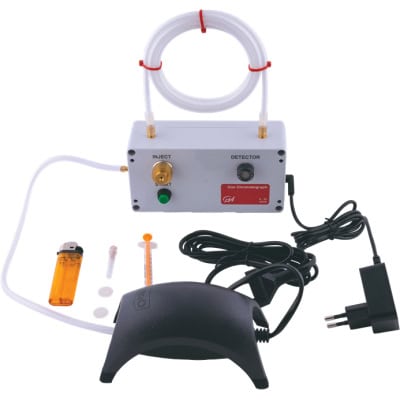
For chemistry, there are sensors for measuring pH, ORP potential, temperature, and conductivity. There is even an inexpensive but effective gas chromatograph.